“Our village is segmented, and really it’s been severed for most families. They don’t have a village.”
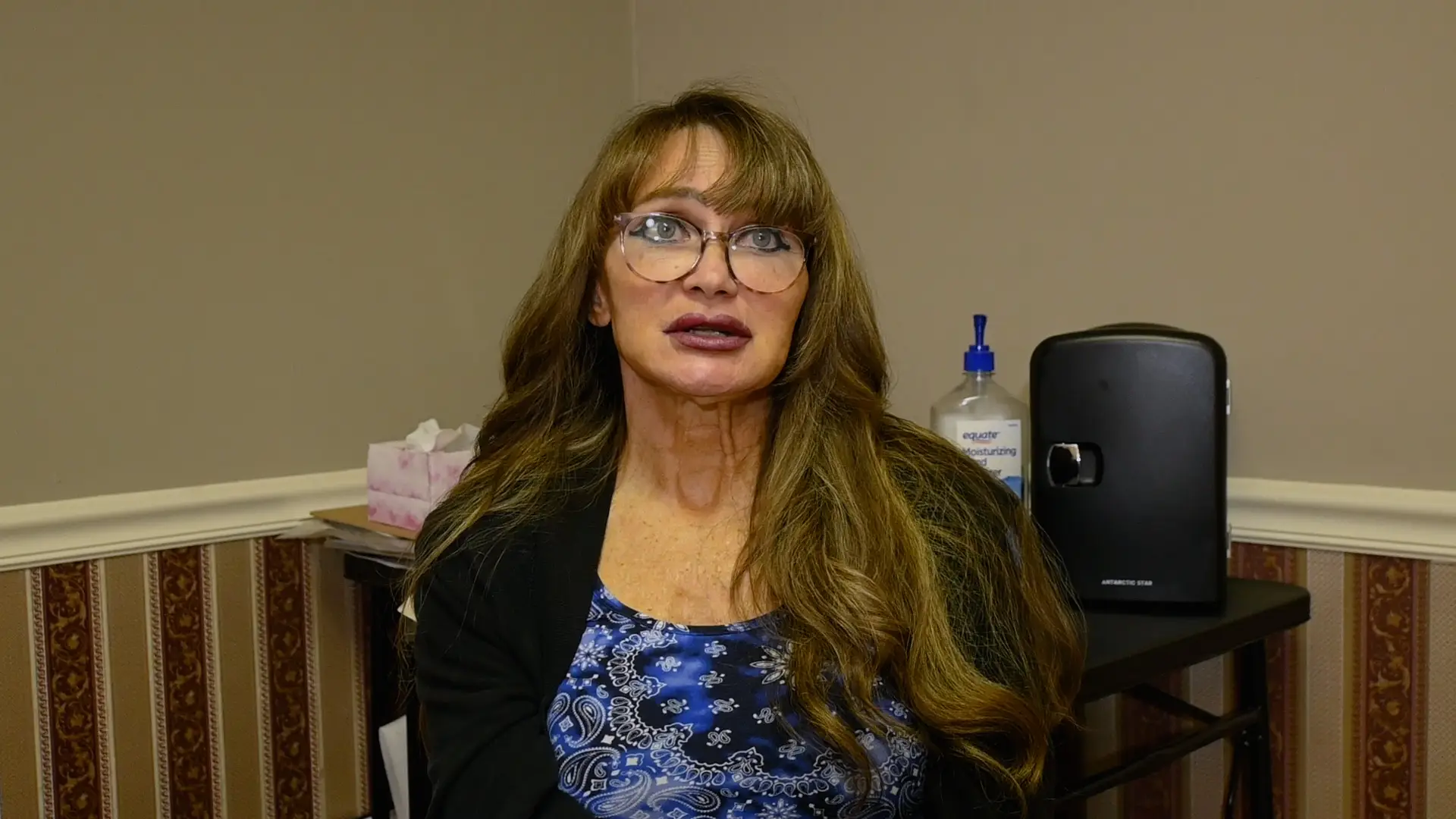
Sheila Armbruster is an Advanced Nurse Practitioner in Southeast Missouri. She runs her clinics free of charge. Throughout her career, she’s witnessed many changes to the state of healthcare. She’s also witnessed her community change throughout the years, too.
Right now, she’s working to open a new clinic deep in the bootheel around Hayti and Caruthersville. She’s already gone down there with pop-up clinics to better understand their specific needs. “In all my years of nursing, I’ve never seen it this bad. Almost everyone I check has a high blood pressure. When I ask who their primary care doctor is, they say they don’t have one.”
The people she sees usually can’t afford insurance or an out-of-pocket visit. “Cash-pay down there is around $240 per visit on top of however much their medication is going to cost.”
Meanwhile, when she tells people she’s opening a clinic there, some try to discourage her. “They say you shouldn’t do that, because they shoot people all the time down there.” She does not see any real reason to fear, though. “If you have your heart in the right place, they will accept you gladly. They have so much distrust because they’ve been stigmatized.”
Years ago, when Sheila was still a young nurse, she worked in nursing homes. She cites witnessing troubling things that she worries are still happening. “There were several facilities I worked with that were honorable, but there were more that were not honorable. They did things that I could have gotten in trouble for.”
She remembers a specific time she was asked to cover up for a company. She did not realize what she was doing at the time. “They had ordered wound dressings. They were very expensive and came in a kit. The kit wasn’t even necessary because you could buy the individual items in bulk for cheaper. One day, I get the news that we have a state inspector coming in and they’re going to be here in a few days. They told me to go in this building out back and there was a storage unit filled with thousands of wound care kids.”
Those wound care kits had been billed and paid for by Medicaid, but they were not used. “Instead of stopping the order, they kept the deliveries going. They kept billing medicaid.” Her boss told her to go out there and help break down all the kits, so when the state inspector walked in, “all they see are a few kits and some separate sponges. They were asking me to destroy the evidence. Of course, I had no idea what I’d just done. Now I know, this is how we are losing money in Missouri. This is how.”
Sheila believes that poverty is a leading reason why people struggle with their health. She also believes the current healthcare system is helping keep people poor.
Sheila says cheap and free clinics might be more common if nurse practitioners were not so restricted in their work. A lawsuit is currently underway in Missouri, filed by Nurse Practitioner Marcy Markes. Missouri’s collaborative practice agreement requires NP’s to pay a physician to supervise work they are trained to do. Marcy Markes says this forced her to pay a doctor upwards of $50,000 a year. In recent years, bills to change this (at least in part) were introduced to the Missouri Senate and House of Representatives. None of those bills have survived.

This map here, provided by the American Association of Nurse Practitioners, shows which U.S. states are the least and most restrictive. As you can see, Missouri is one of 11 states with restricted practice. NP’s must be supervised their entire career, and that supervision is paid. States with full practice allow NP’s to evaluate and treat patients without physician supervision.
But what are nurse practitioners paying physicians for anyways?
“They review our charts, sign a piece of paper every two weeks, and then we send them a check,” Sheila told me.
Sheila had asked me to interview her so she could speak on her experience nursing. As she’s gone about trying to bring healthcare to those who deeply need it, she’s seen how the lack of care impacts other areas of life, too. I asked her about the state of motherhood over the years, because I’d heard her speak about it once before. “When mothers were able to be at home with their children, when they could afford to do that especially with young babies, it helped a lot.” She noted that many families cannot afford daycare and do not have family to help babysit.
She also believes that ideological divisions are helping lead to physical divisions within communities. “Most people don’t even know their neighbors. We have such a divided system. There’s a huge line between Democrat and Republican. It’s not even realistic because I know both and they are good people. The moment that party name comes up, they’ll erase you totally off their list. That’s wrong. If your neighbor is a different party, you automatically throw them out. If they’re a different color, throw them out. They have a different religion, throw them out. So, yeah, our village is segmented. It’s actually been severed for most families. They don’t have a village, and the families are suffering.”